3D
for commissions see https://stusha.com
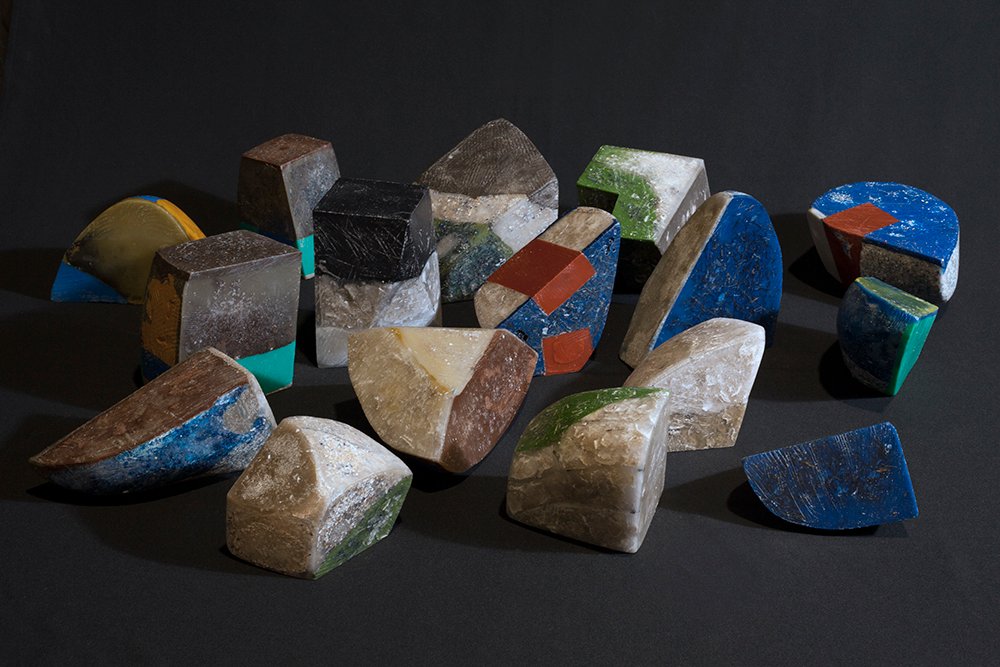
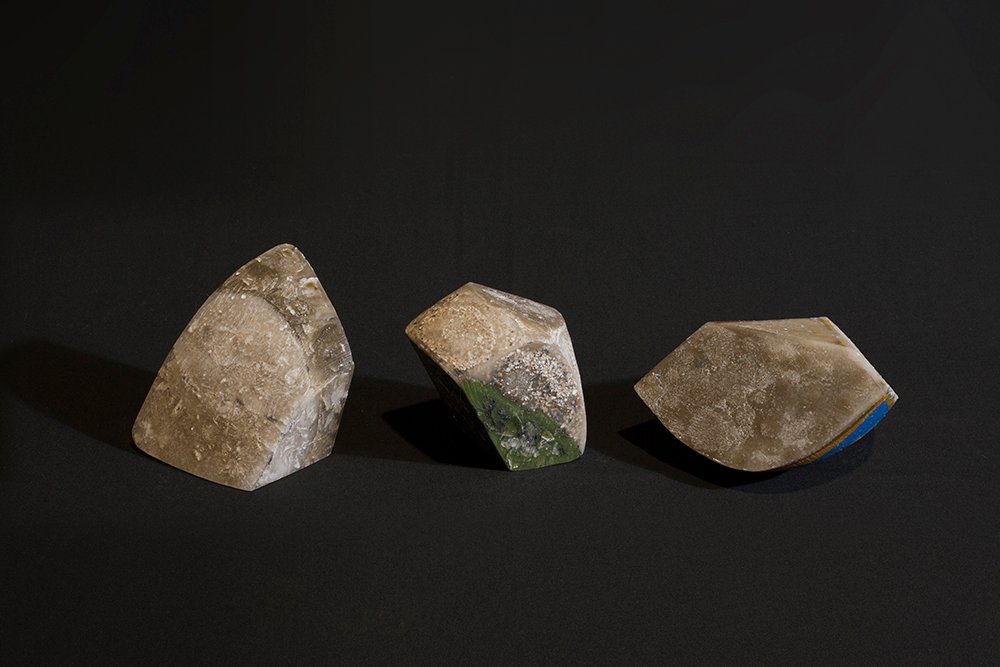
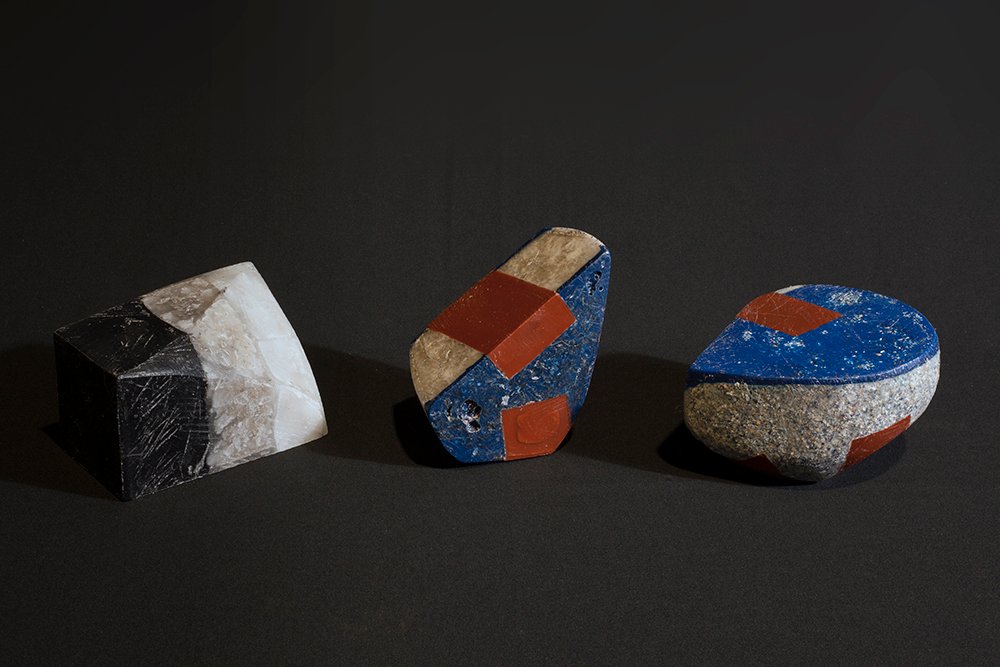
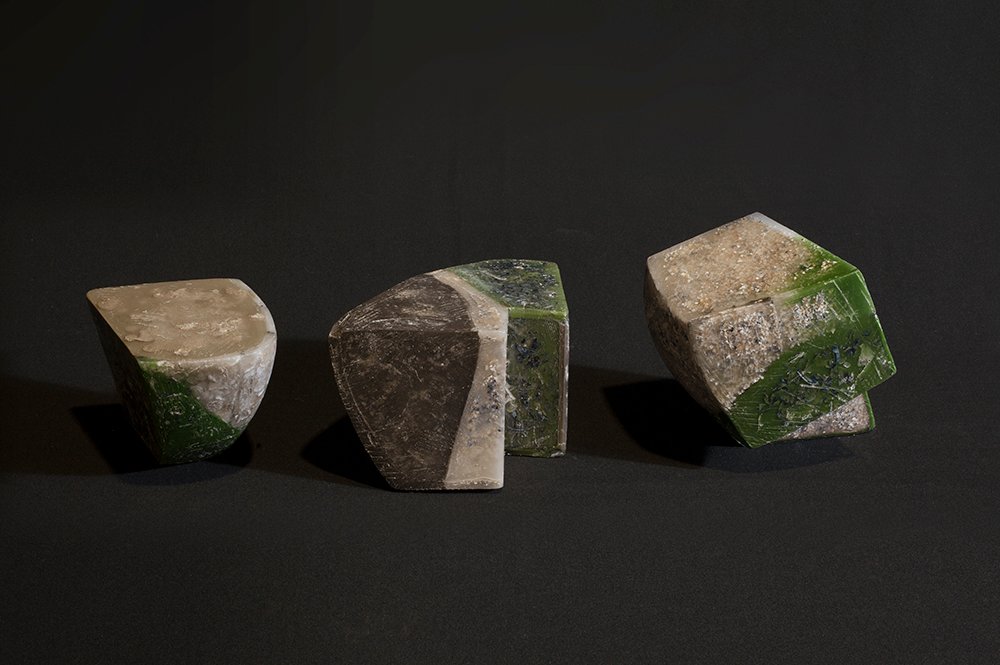
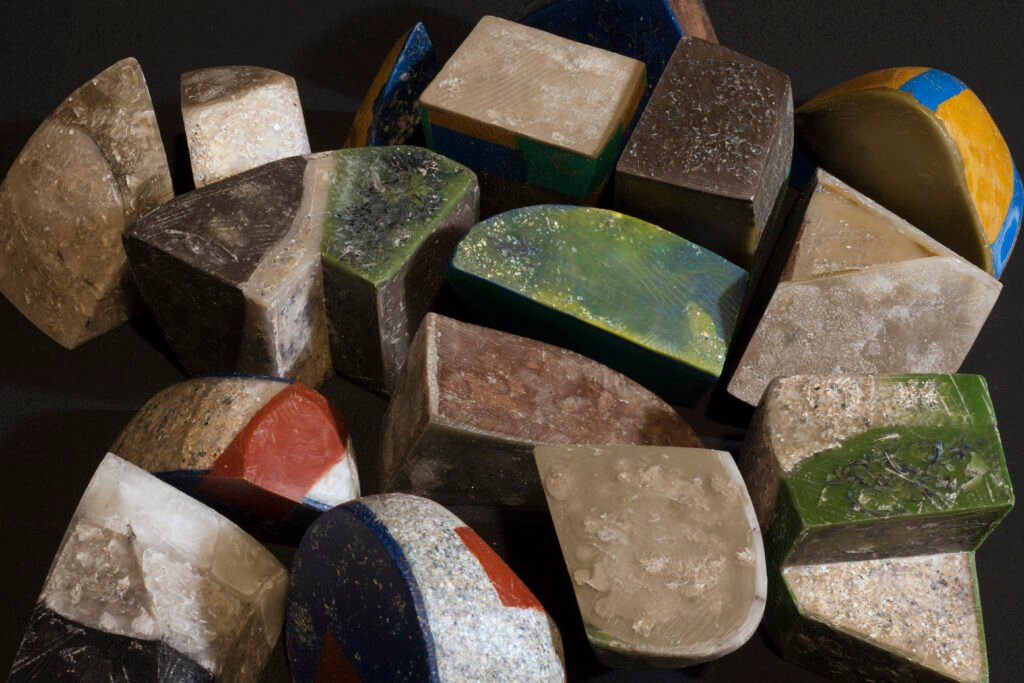
ballast stones
Lecture notes: Shipping rocks and Sand: ballast in global history
34th annual lecture of the german historical institute, Washington DC,
November 11, 2020
Roland Wenzlhuemer
Ludwig – Maximilians – Universität München
Seafarers had to ballast their vessels from ancient times. Vessels needed ballasting for stabilisation in the water. Heavy materials were loaded into the lowest part of the ship’s hold. Ballast determines how deep a ship lies in the water. In non-nautical terms, it acts as a counterweight against the forces of the wind and the waves. It improves the speed and navigational capacity of a vessel and ultimately keeps it from capsizing in adverse conditions. Today, most vessels use water as ballast – also with unintended consequences of global organism migration.
Unfathomably large quantities of ballast were loaded, transported and eventually unloaded elsewhere in the global history of shipping. 253,651 tons of ballast were shipped out of London in 1804, by 1862 the volume had increased to 868,615 tons. For ship owners, merchants and captains alike, the transshipment of ballast was an unintentional, often unwanted by-product of globalisation.
Ships sailing in ballast was typical and unprofitable. The need to load ballast, pay for it and later dispose of it, led to seeking materials as ballast that had use at the ship’s destination. Mostly ballast was dumped at the end of a journey in the easiest way – that led to silting of harbours and shipping channels, changes in marine topography and trans regional organism transfer. Trans shipped ballast left its traces in the cobbled streets of port cities, in the harbour basins, local legislation and local flora and fauna.
Ballasting and de-ballasting was part of global shipping infrastructure, along with its economic, social, environmental and legal consequences.
matthew morris chair
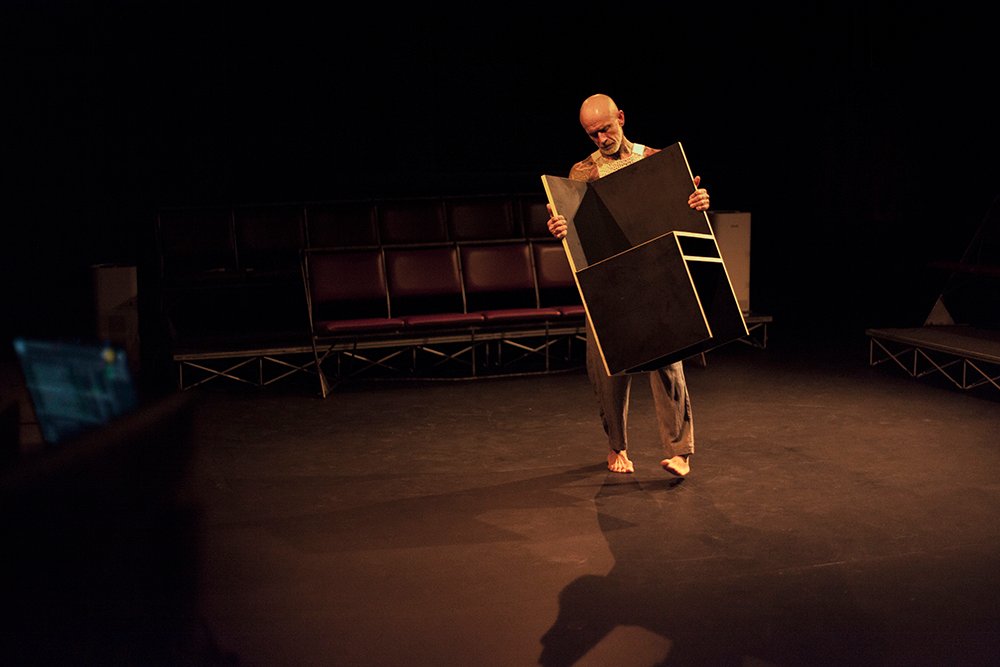
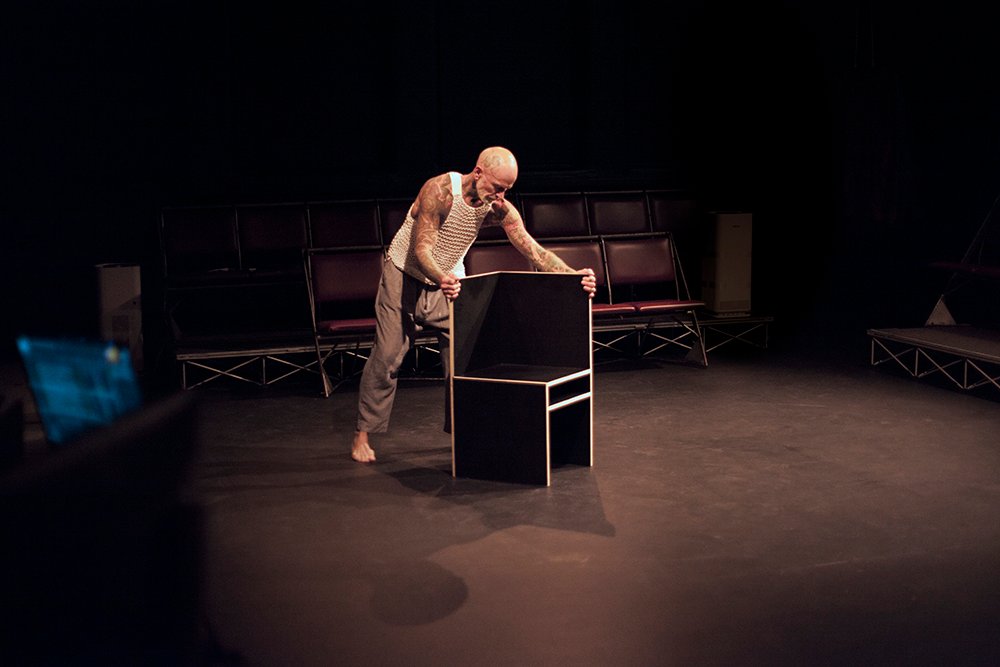
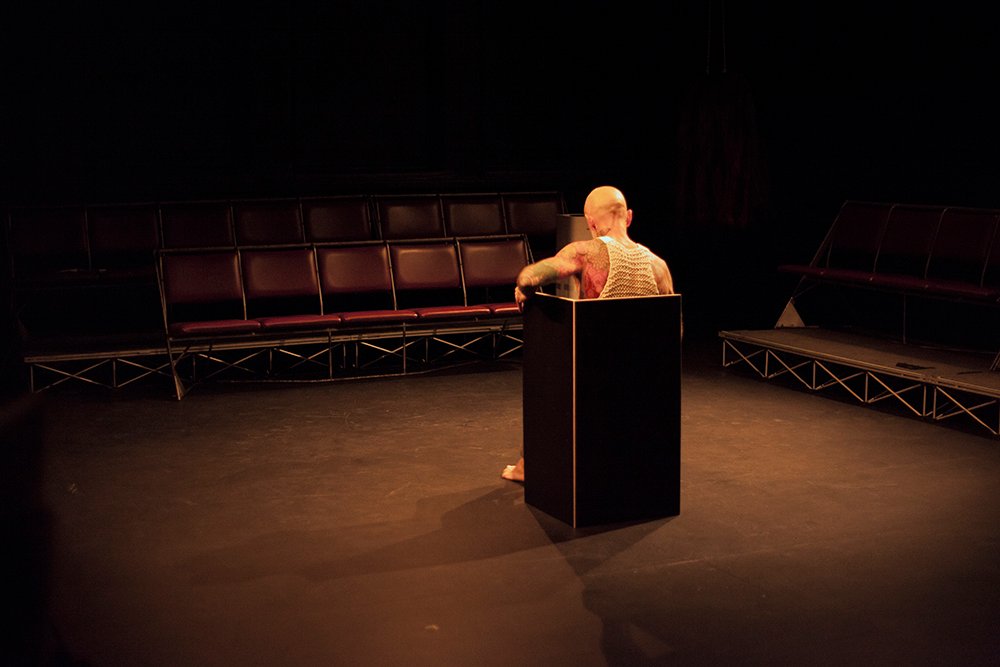
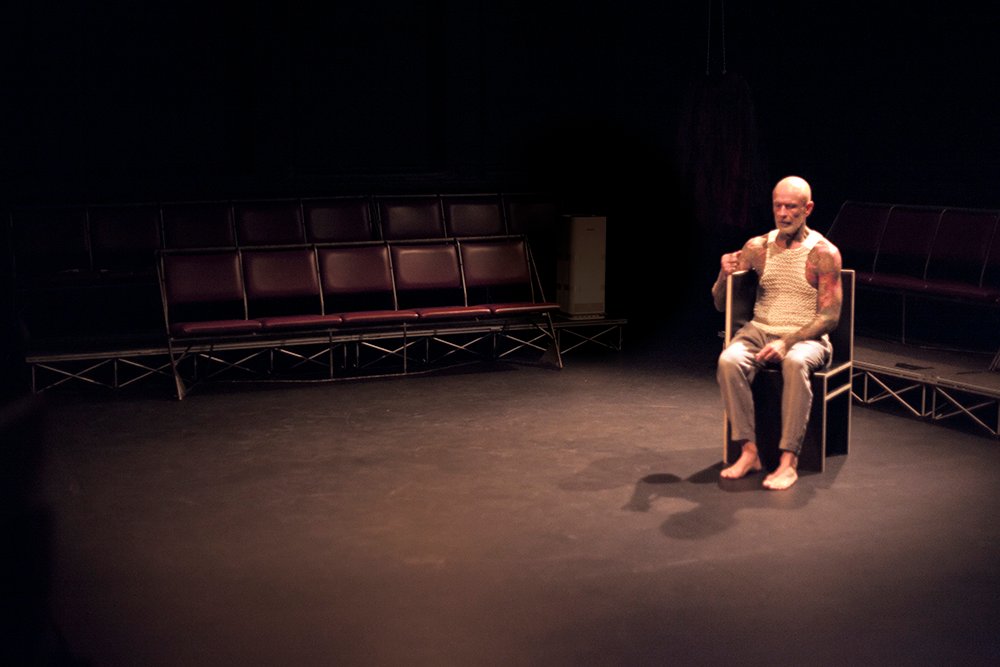
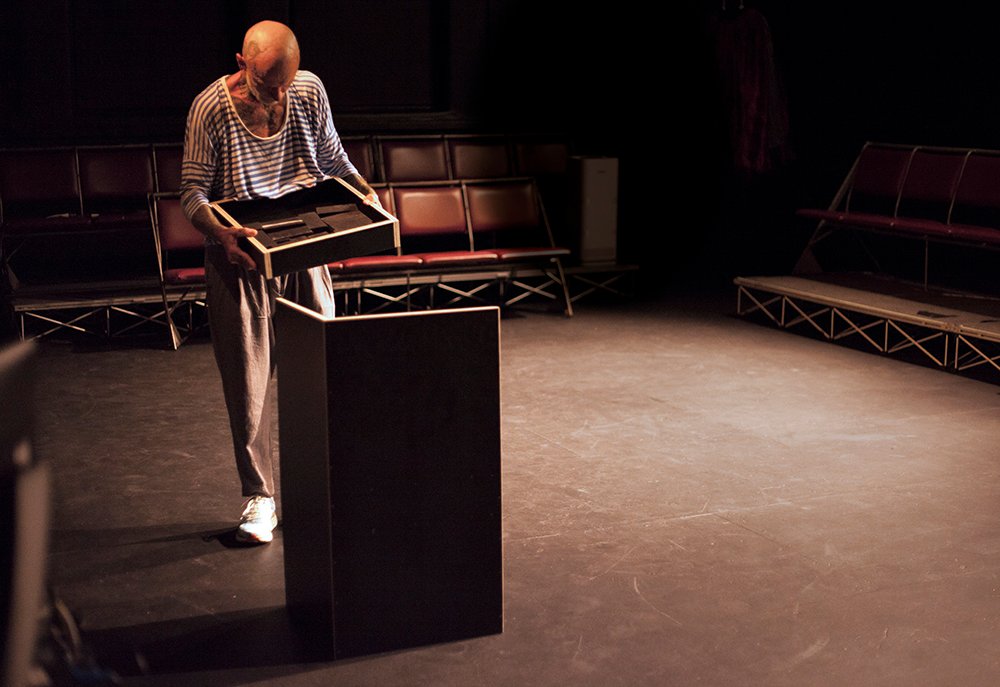
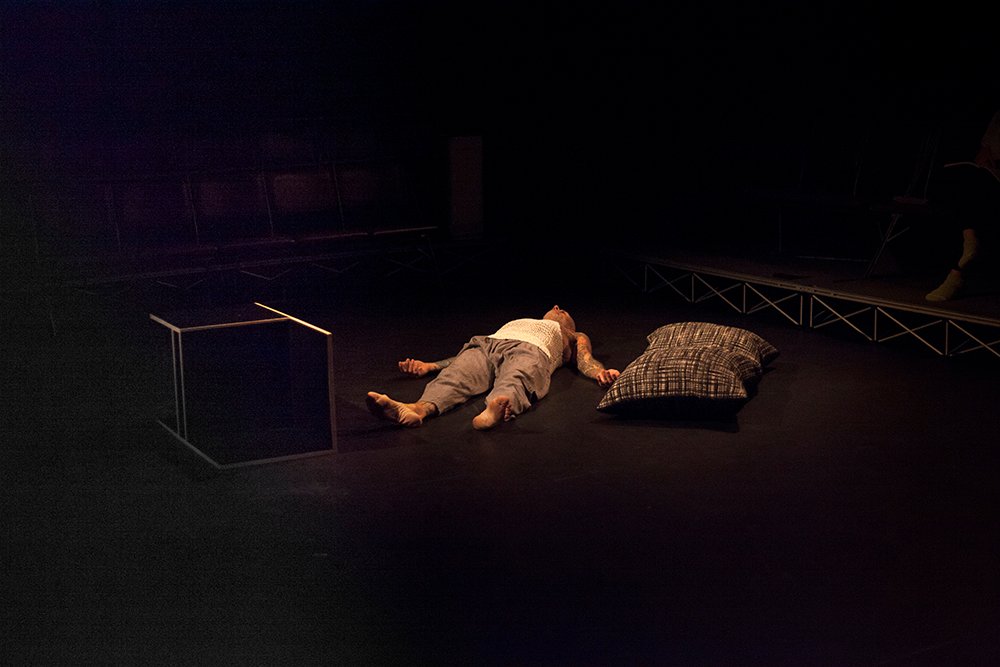
Until Falling things Work
Blue Room 13 – 16 May 2026
Matthew Morris: Creation, Performance, Co-Producer
Alice Cummins: Creative Consultant, Dramaturg
Izzy Leclezio: Co-Producer
Josten Myburgh: Composer, Sound Design
Andrew Stumpfel: Visual Artist, Object Maker
Jake Battle: Stage Manager
Jay Covich: Lighting Designer
Jameson Feakes and Mary Rapp: Recorded Musicians
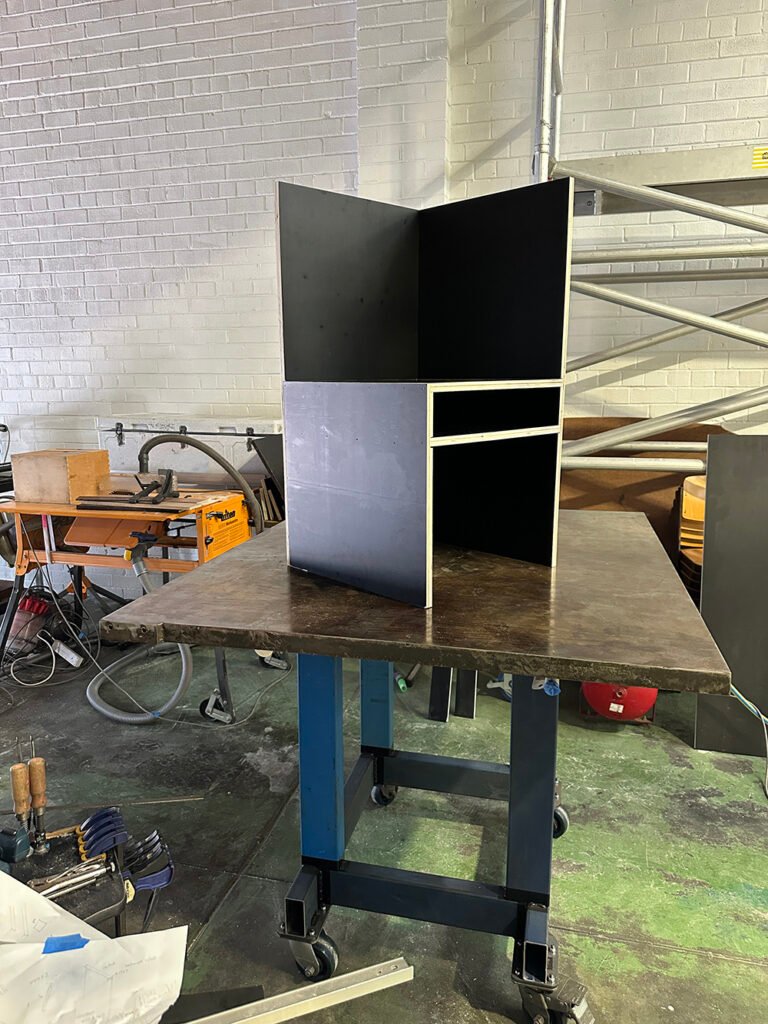
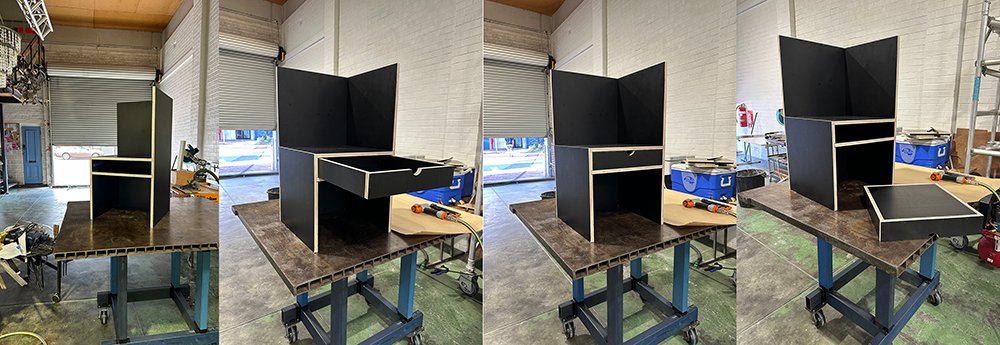
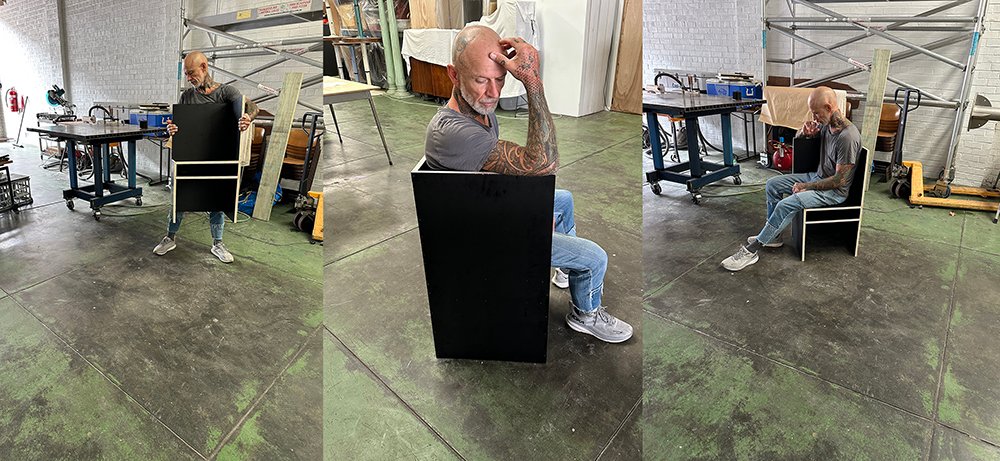
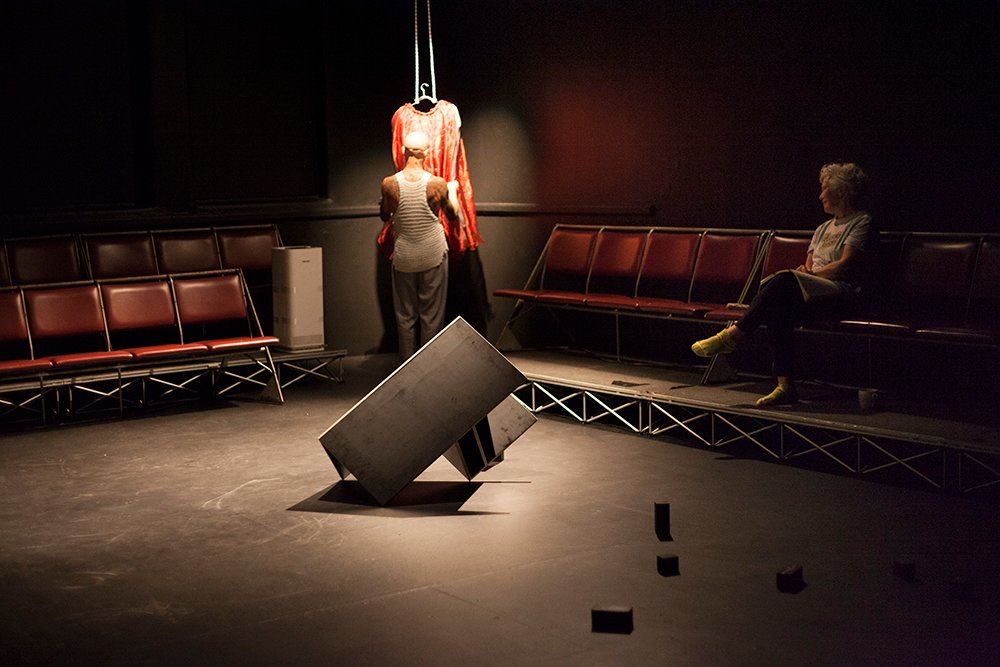
Translating in words from the visual language is fraught. What was crystal in Until Falling Things Work, was the clarity of the exposure. With that clarity came the objects/stagecraft of having only what could be carried/held because the work is about what is carried alone. It has been a joy to see the elements come together that go beyond the sum of its parts and I struggle to reverse engineer with words, how good and universal Matthew’s performance is.
airmaker [stromatolite]
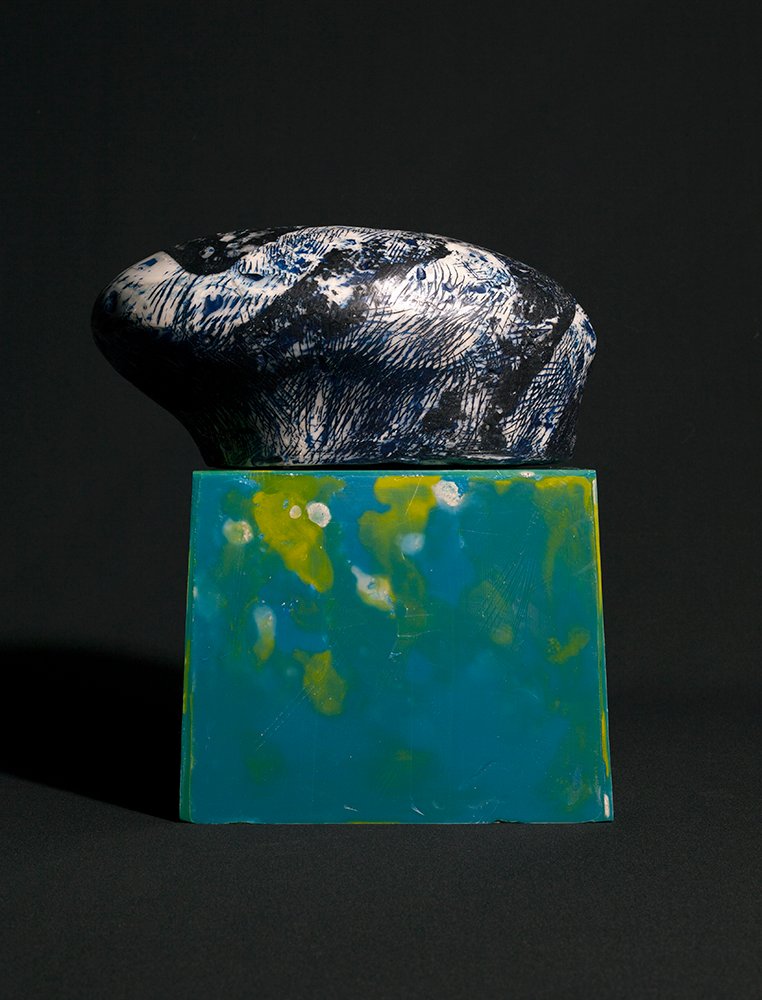
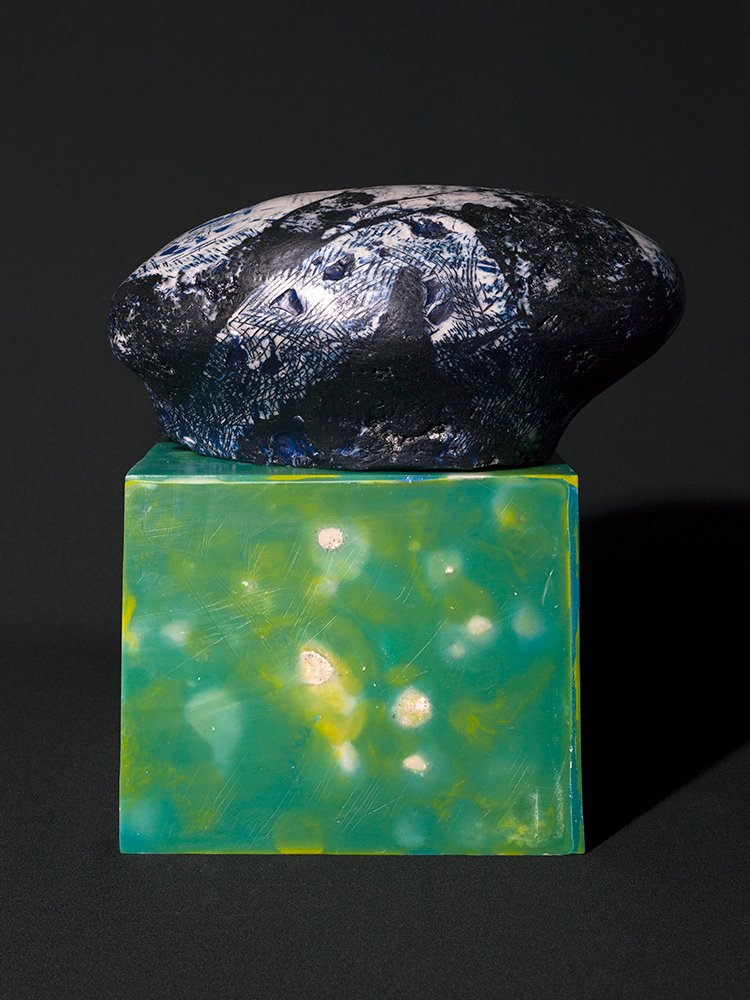
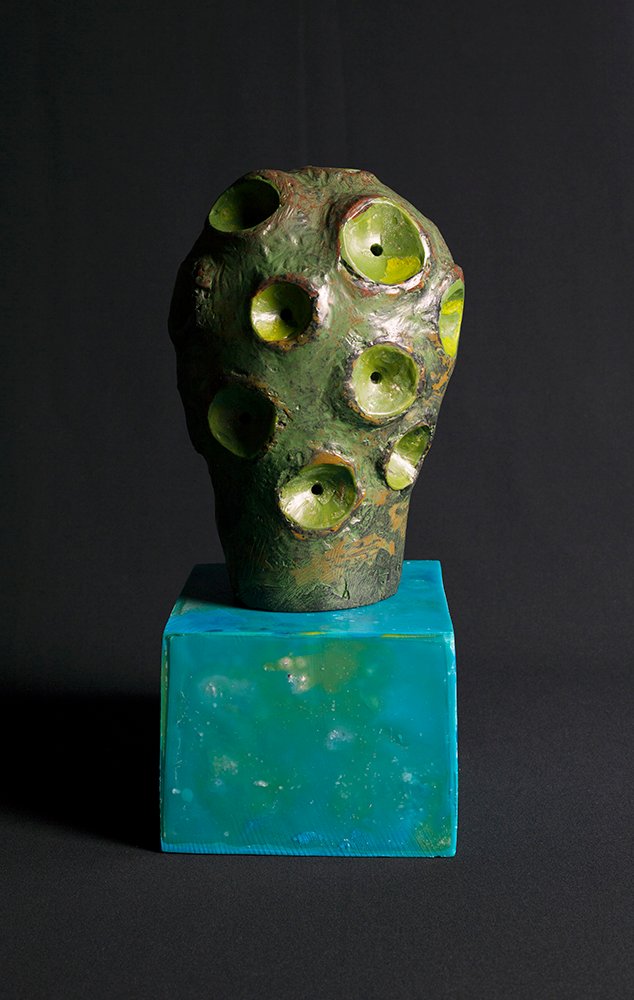
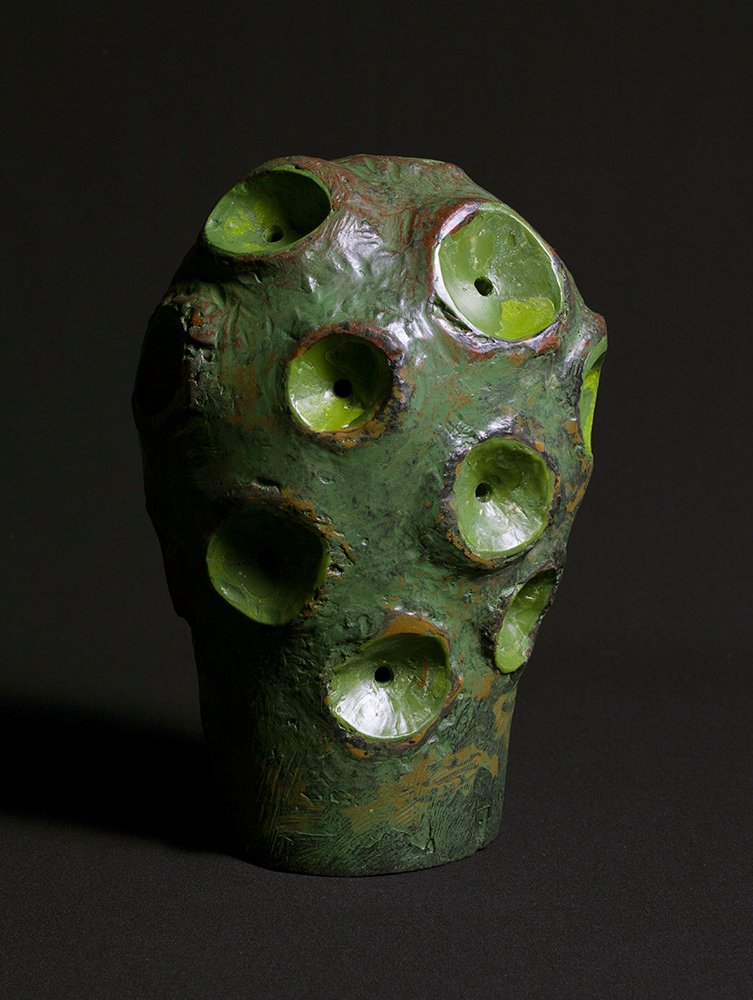
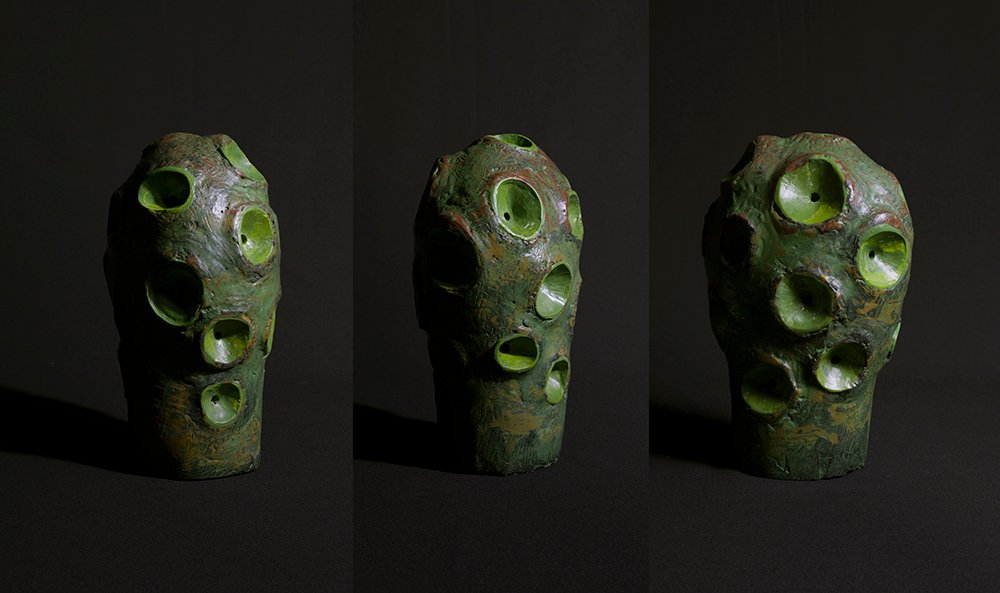
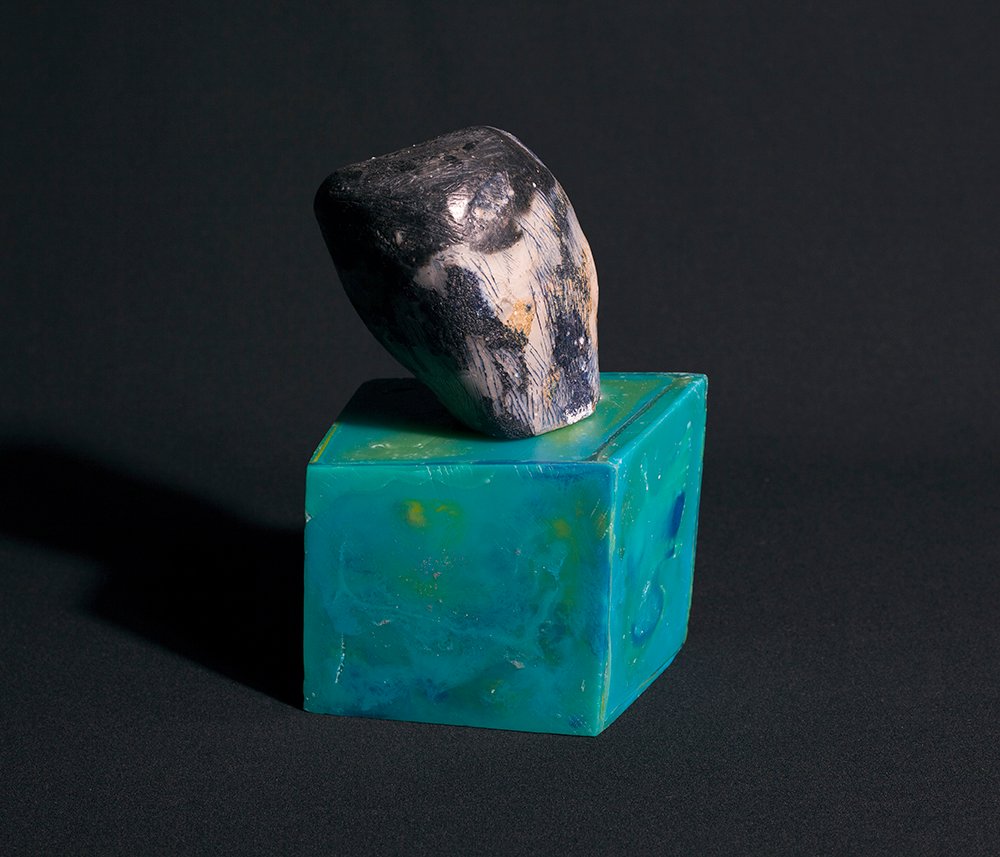
alcove
Located 34.8320°N 67.8267°E, the two Buddhas of Bamiyan were c.570 CE and c.618 CE statues in the Bamiyan Valley of Afghanistan – the time when the Hephthalites ruled the region. On 2 March 2001, the Taliban began destruction of the statues that lasted several weeks. The alcove remains.
Located 22.6175°S 117.1577°E the 46,000+ year old Juukan Gorge rock shelters were permanently destroyed on 24 May 2020 as part of mine expansion of Brockman 4. In 2014, the site was classified as ‘cleared’ for mining and removed from relevant risk registers, with ministerial consent under Western Australian legislation. Prior to its destruction, the site had been excavated in 2014 with the remains/artefacts stored at Rio Tinto Dampier office, in north-west Western Australia. The value of iron ore accessed from the area following the blast was AUD $135 million [2021].
The notion of alcove, recess, staging and protection [harbour] is pondered where the overarching [philosophical] structure becomes the fount of a work. A work does not go in, it comes out of that structure.
The punchline for the alcove series artwork is about the origin and application of a philosophy and when a doctrine is not linked to an overarching philosophy. If it is true, that all art is philosophical, it may point to why arts practice is practical, valuable and therefore maintained – because it is an accessible place where philosophy can be investigated and formed. In the references above, one is religious [based on revelation and faith] and the other is an economic system. Both are doctrines/ideologies, where a philosophy is absent. The development of a philosophy, fit for use over a life time, may be why an arts practice is counter culture.


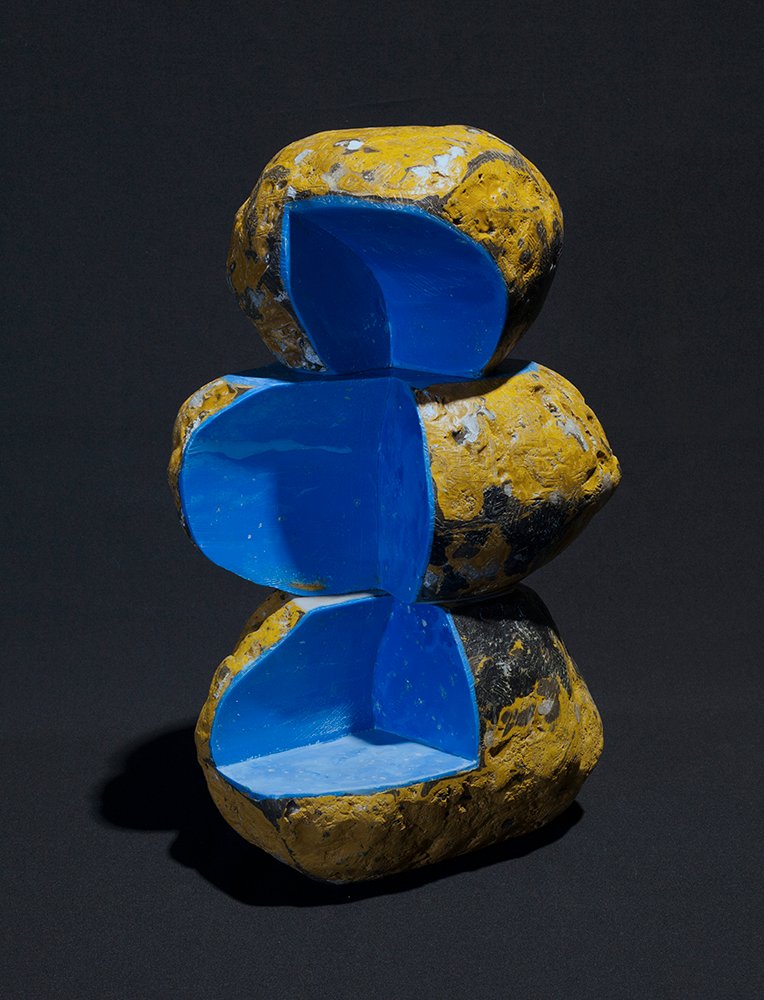
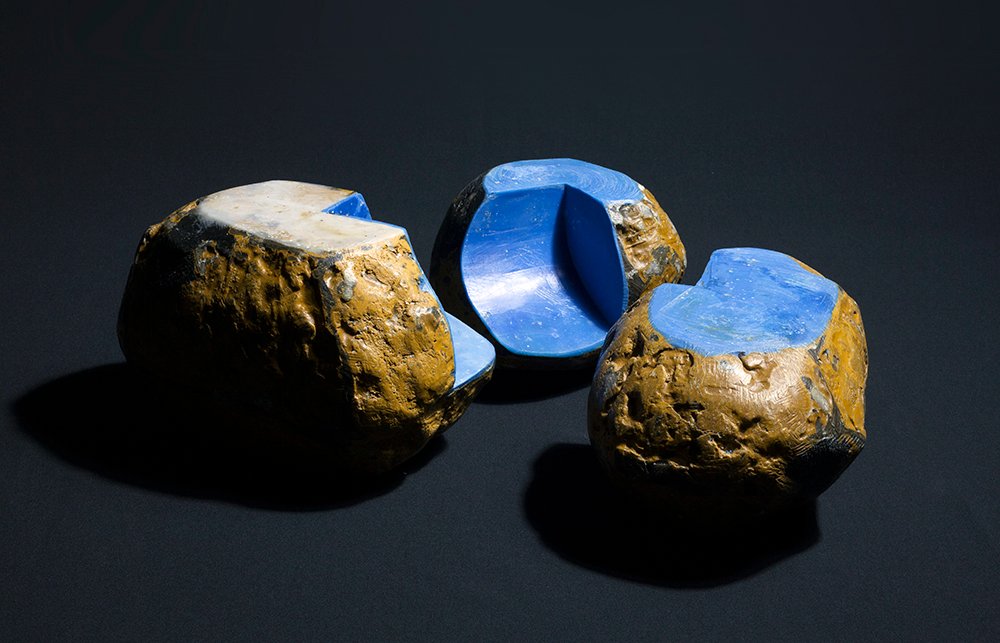
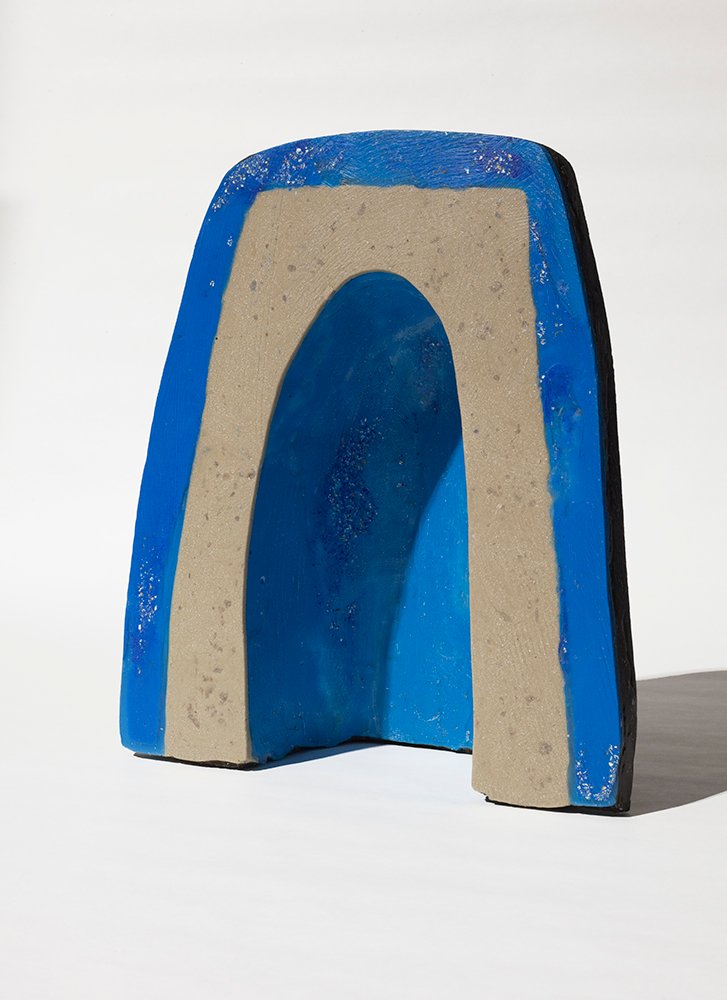


figure


western australian geology, shell and pigment


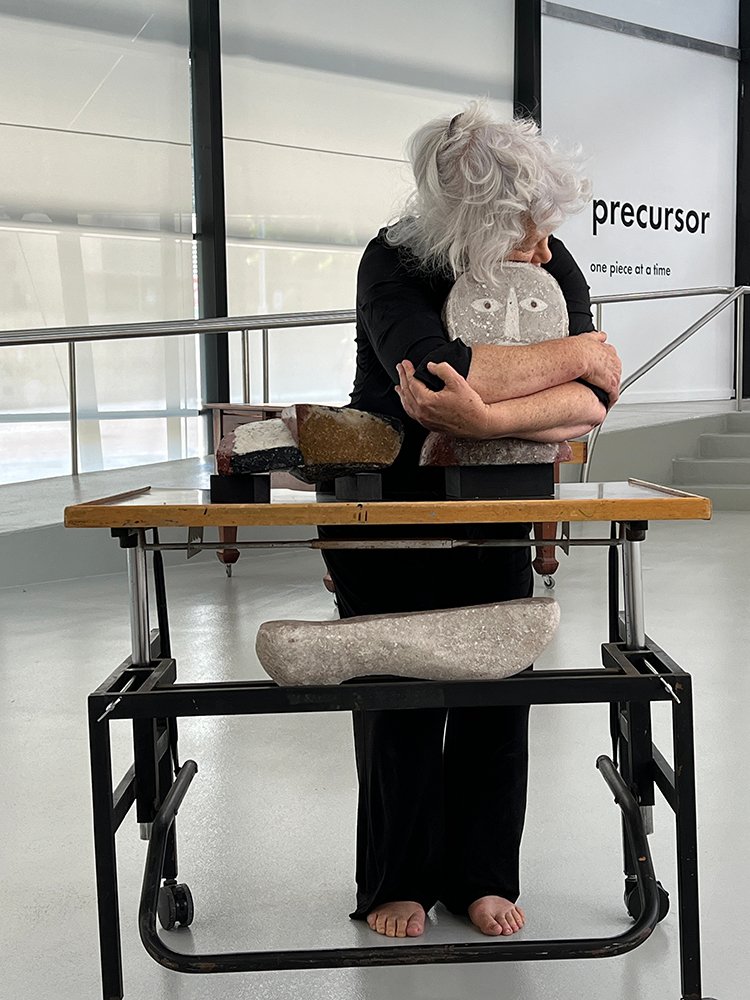
objects
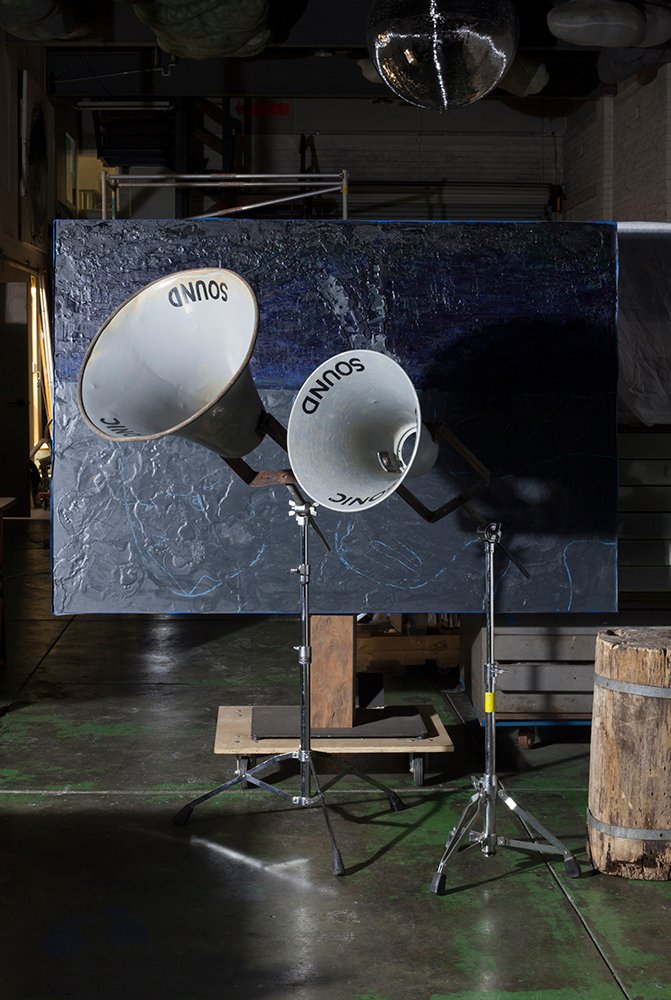
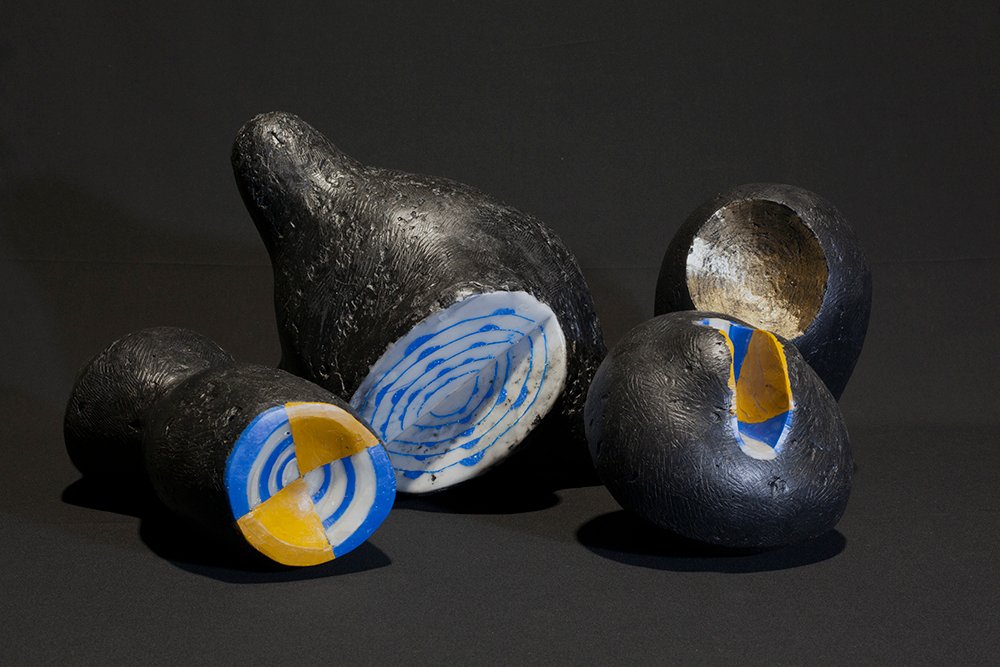
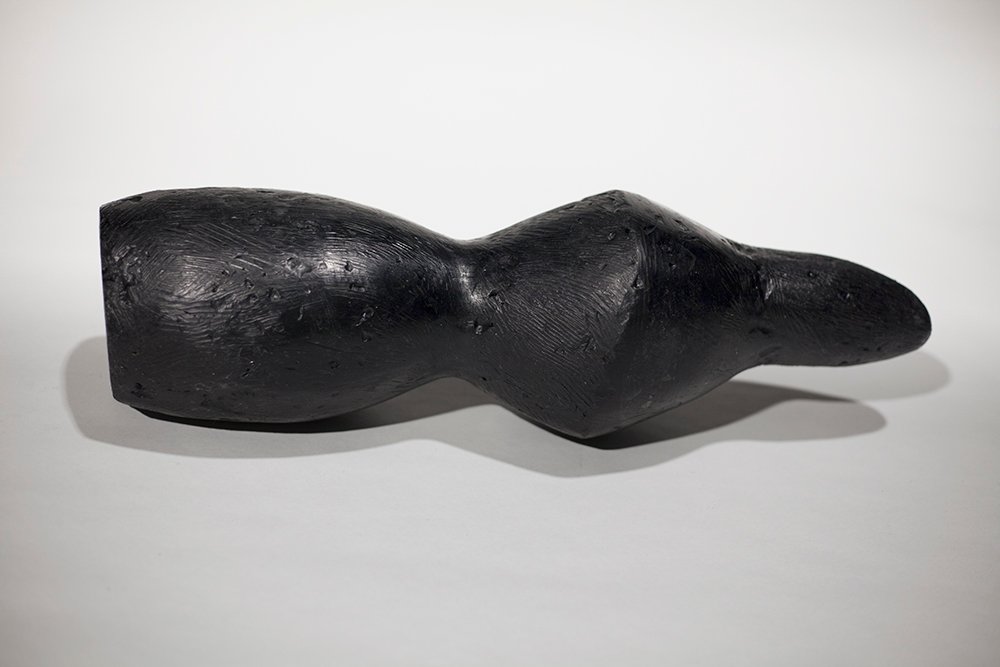
signalling flora, jarrah charcoal and pigment in wax. 165mm ø x 520mm l. mid 102025
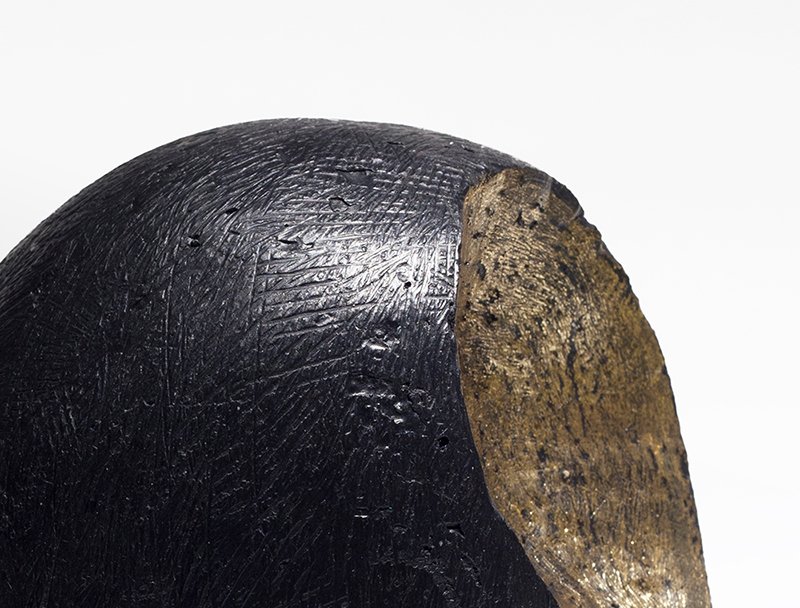
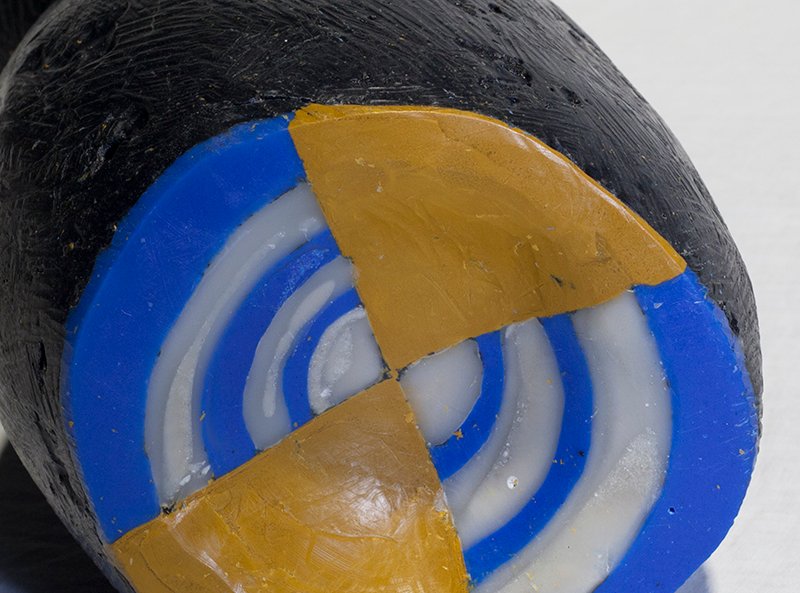
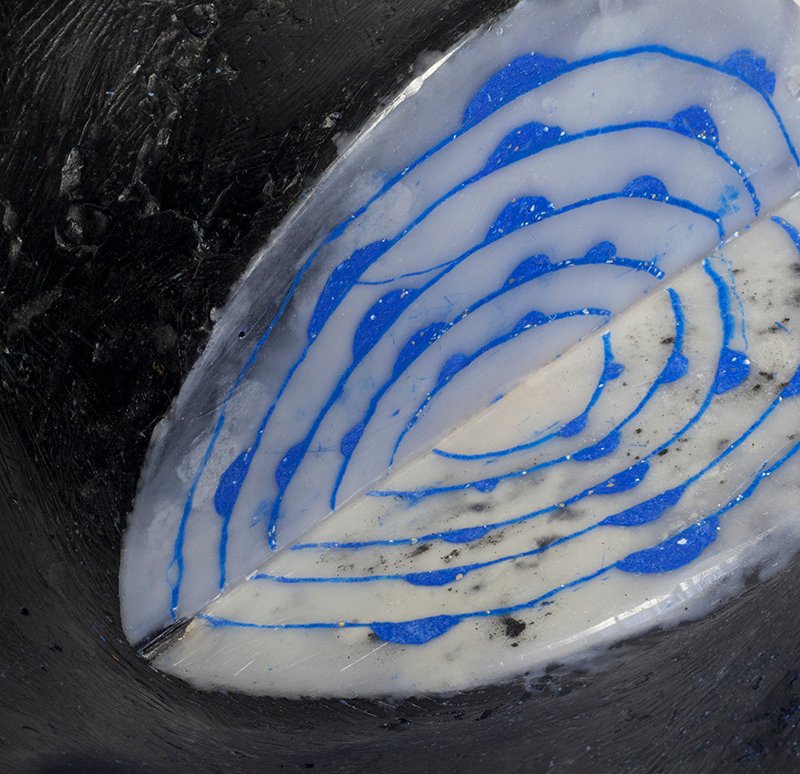

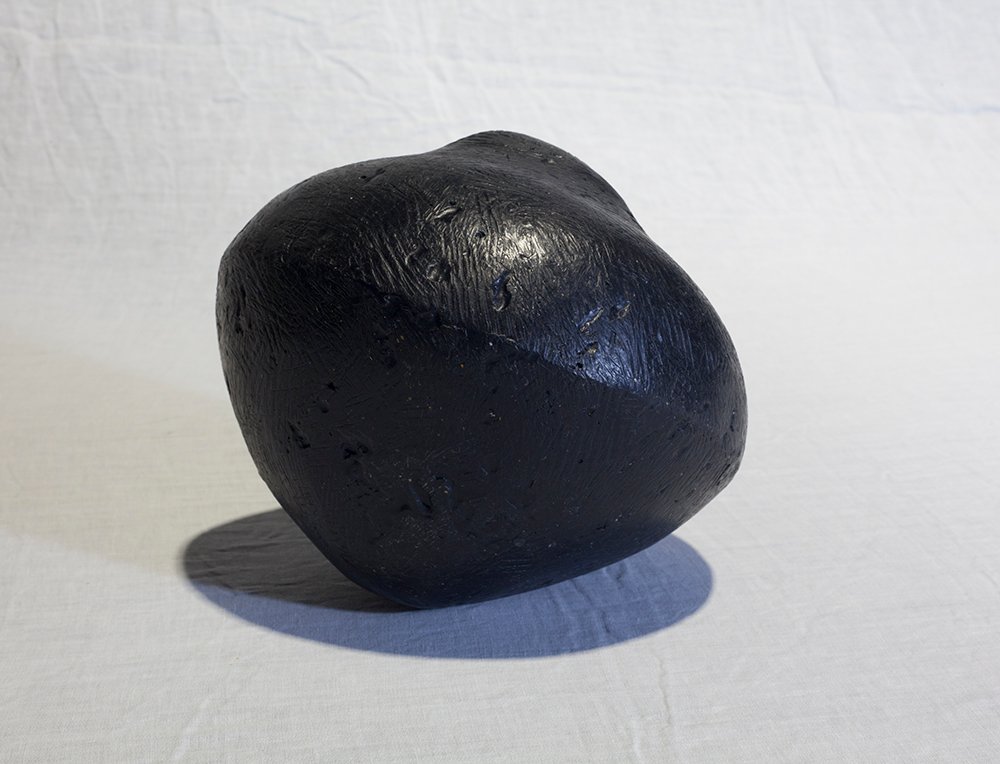
560mm h x 600mm w x 404mm d. early 102025

560mm h x 600mm w x 404mm d. early 102025


interaction shot by fionn mulholland [05:49], with bone
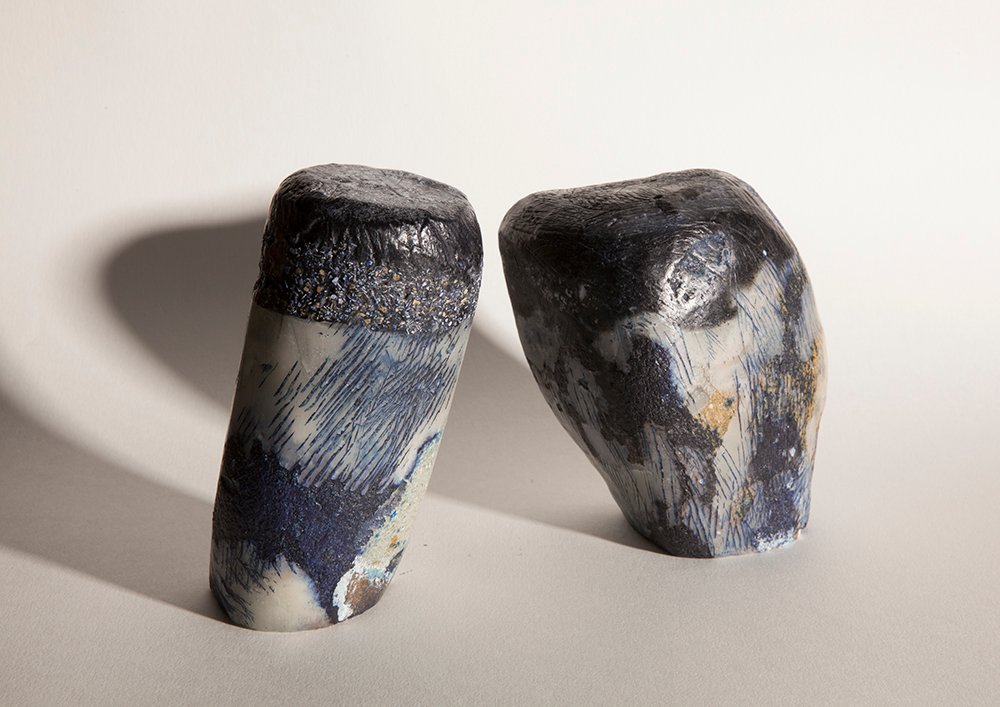


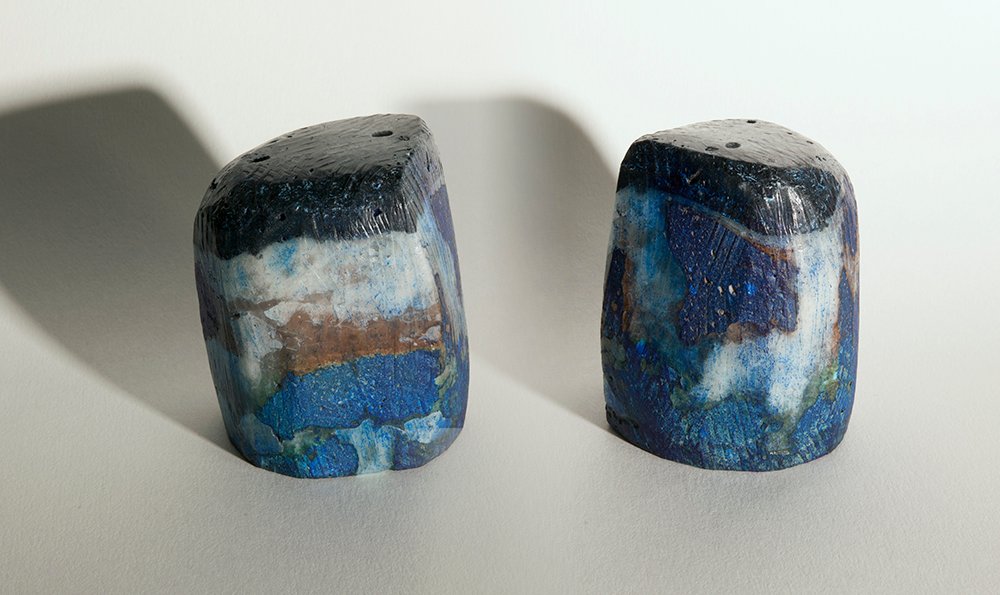


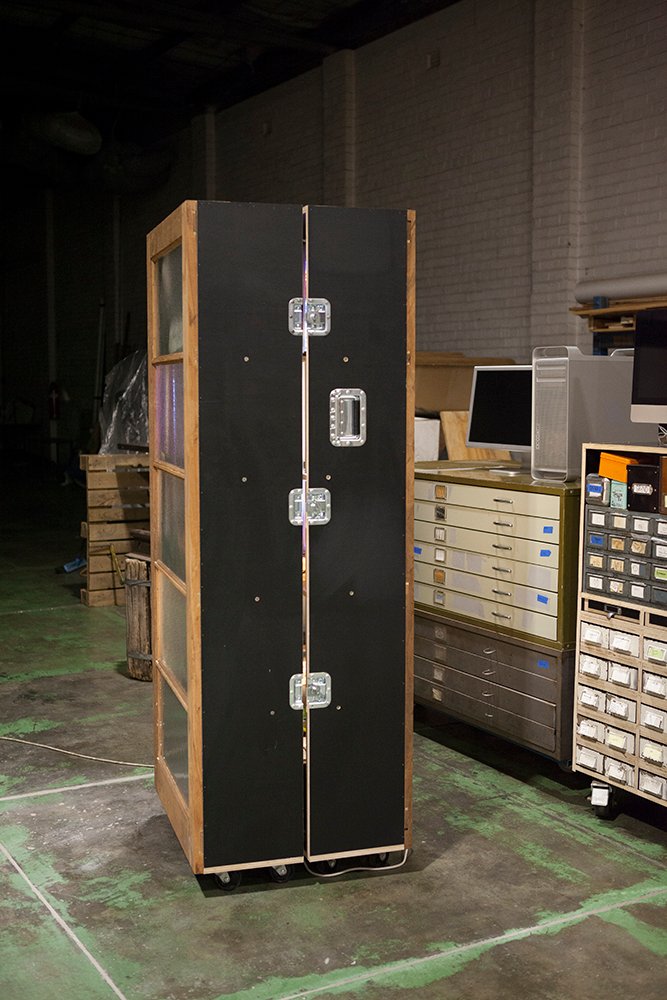
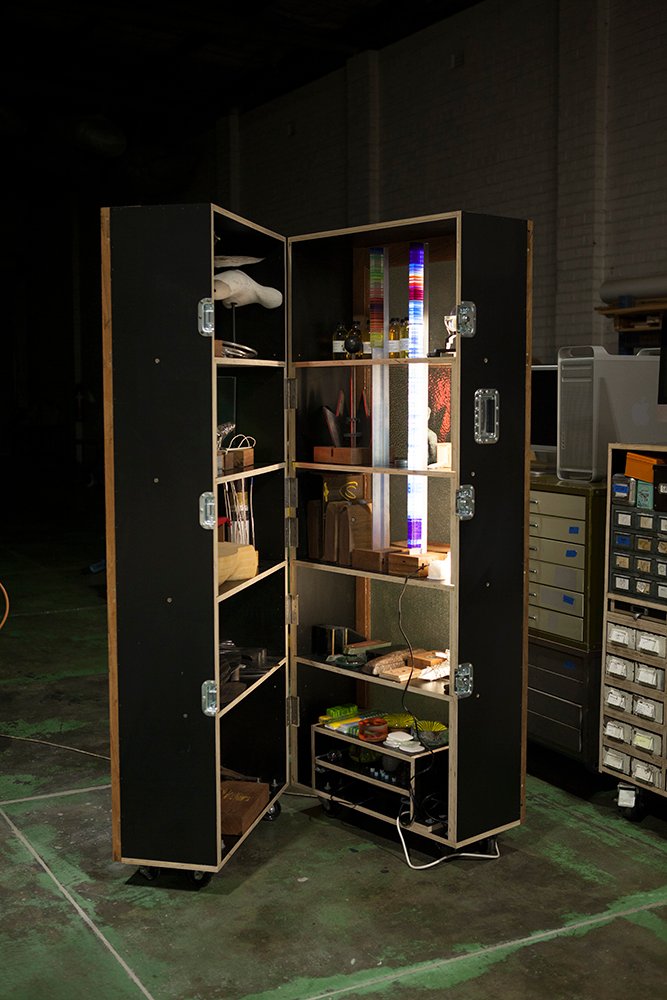
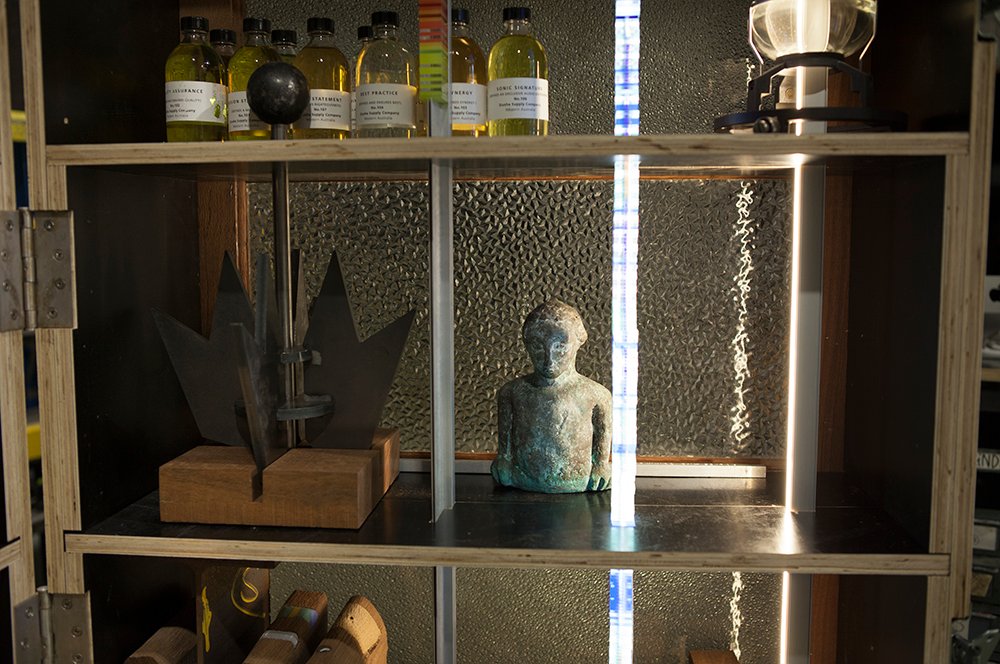
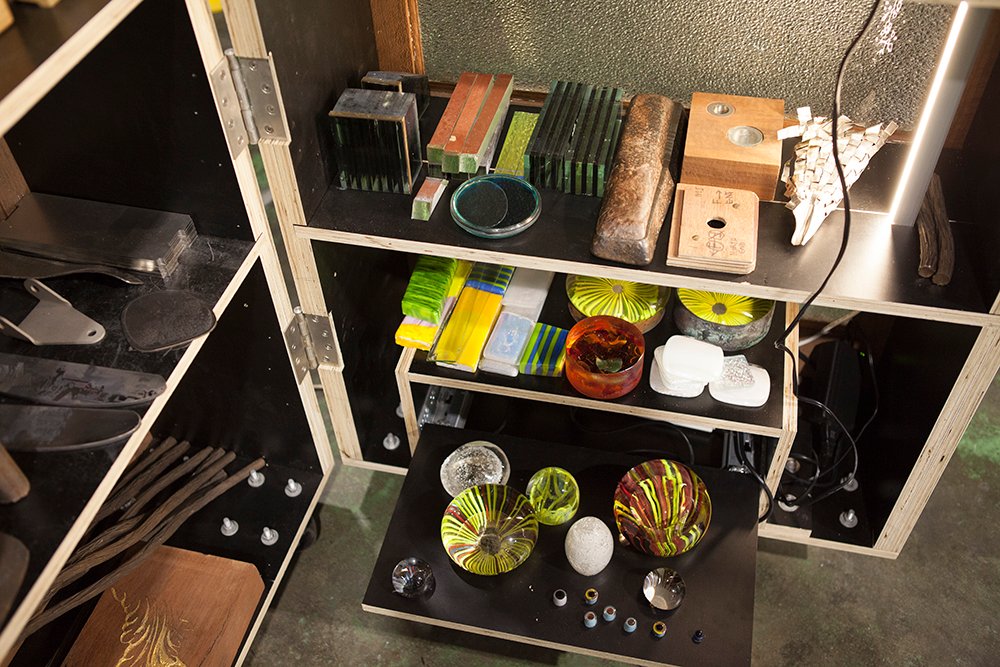
artworks cabinet
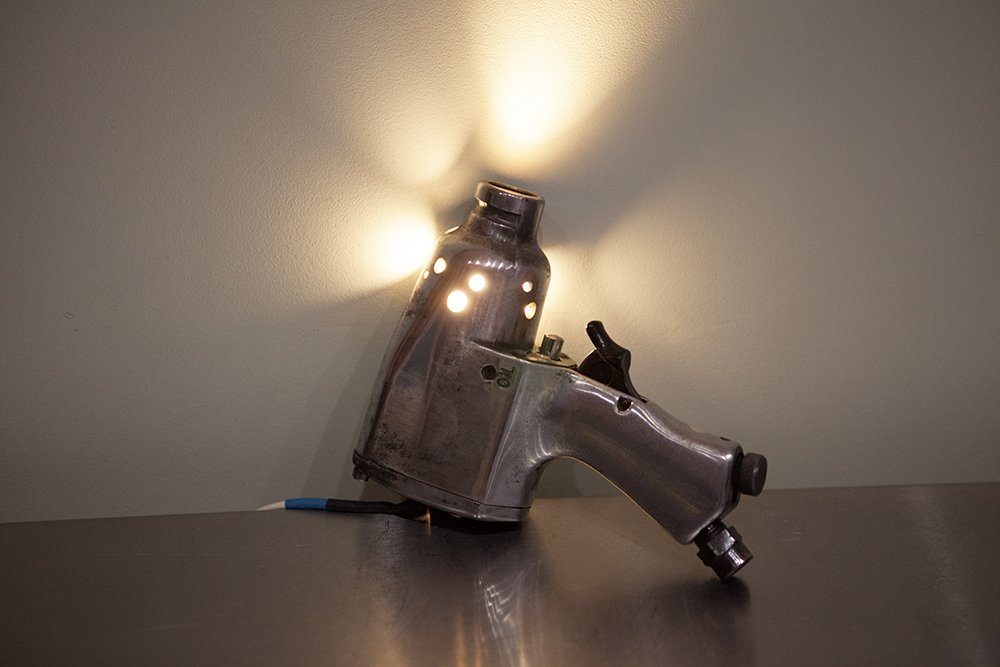
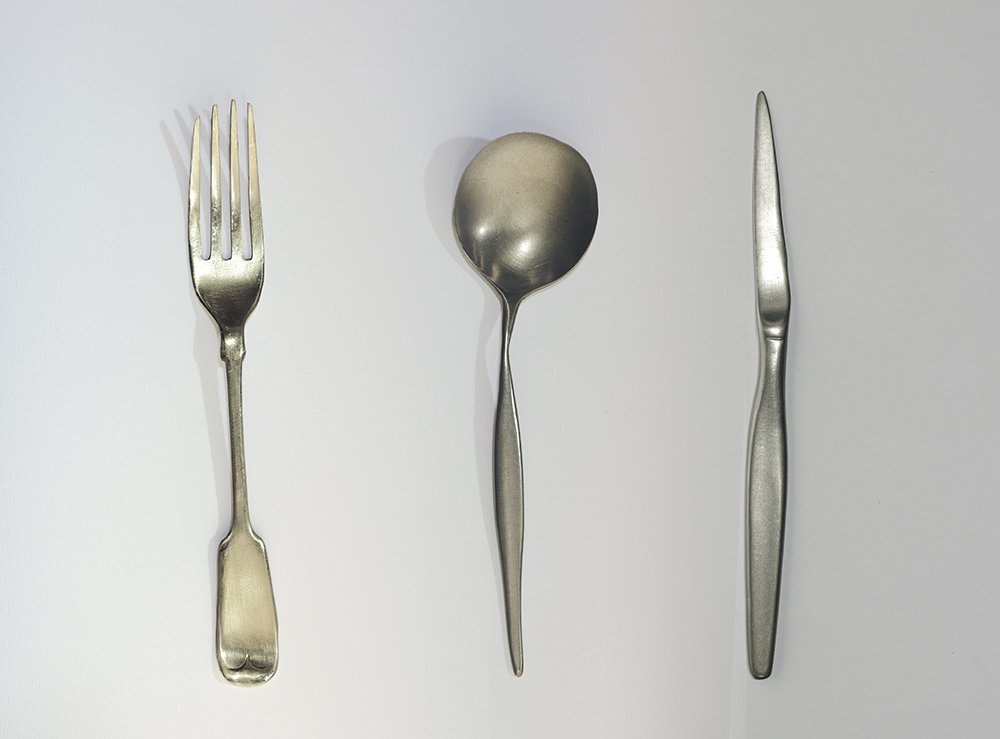
retasked/adapted/adopted furniture 2020
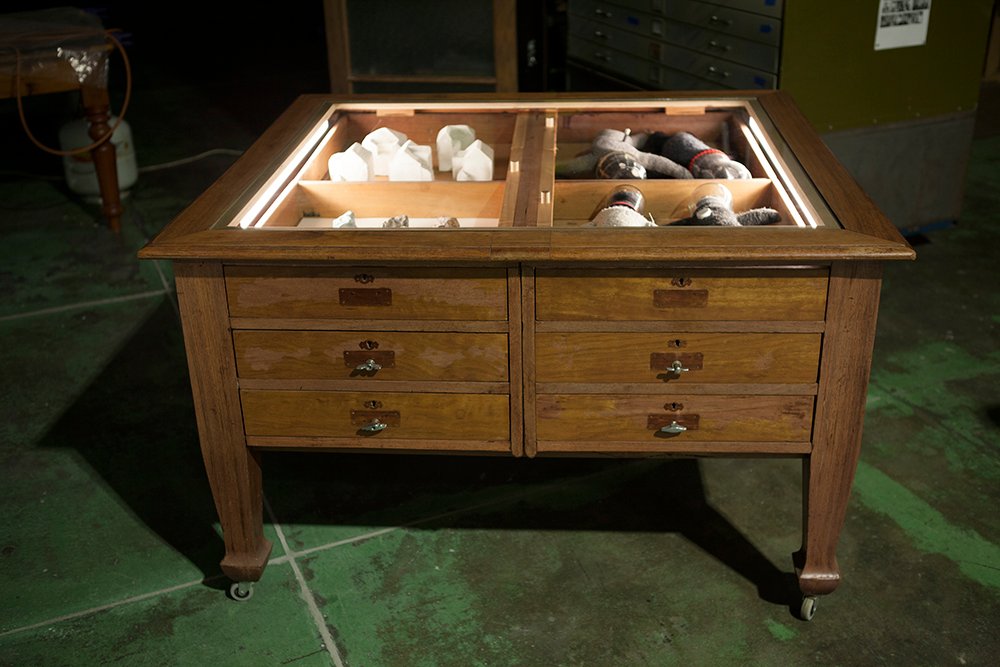

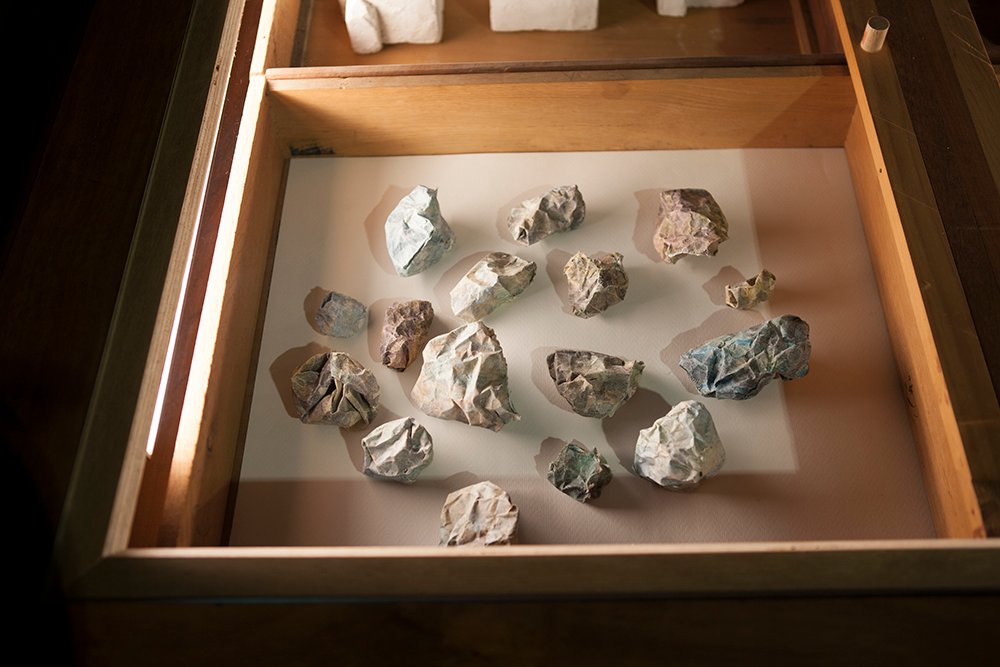



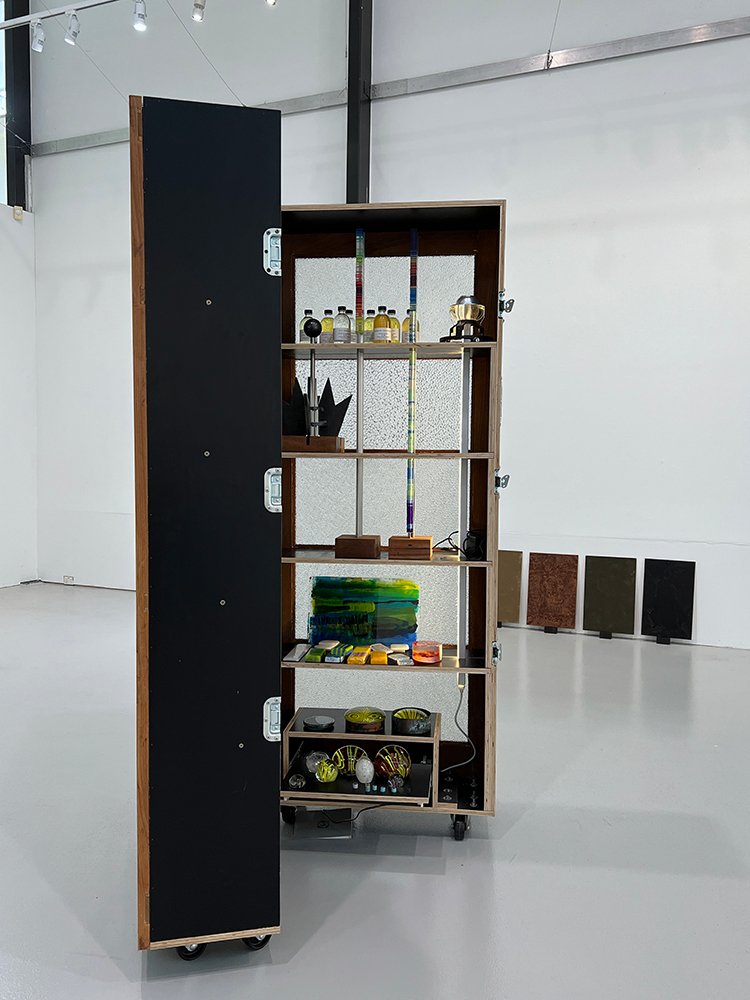
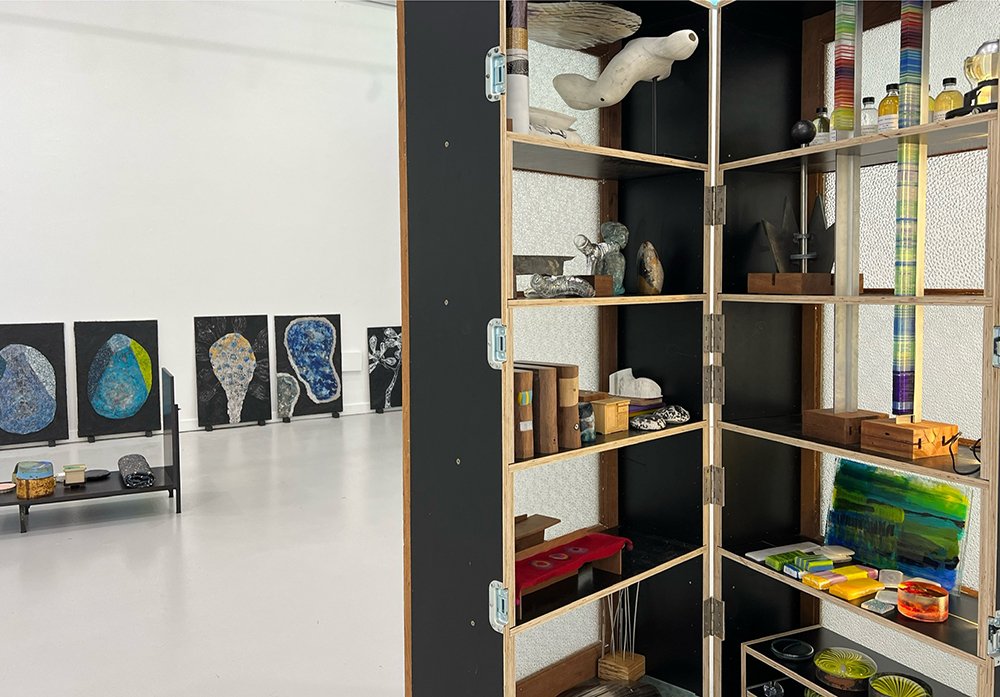
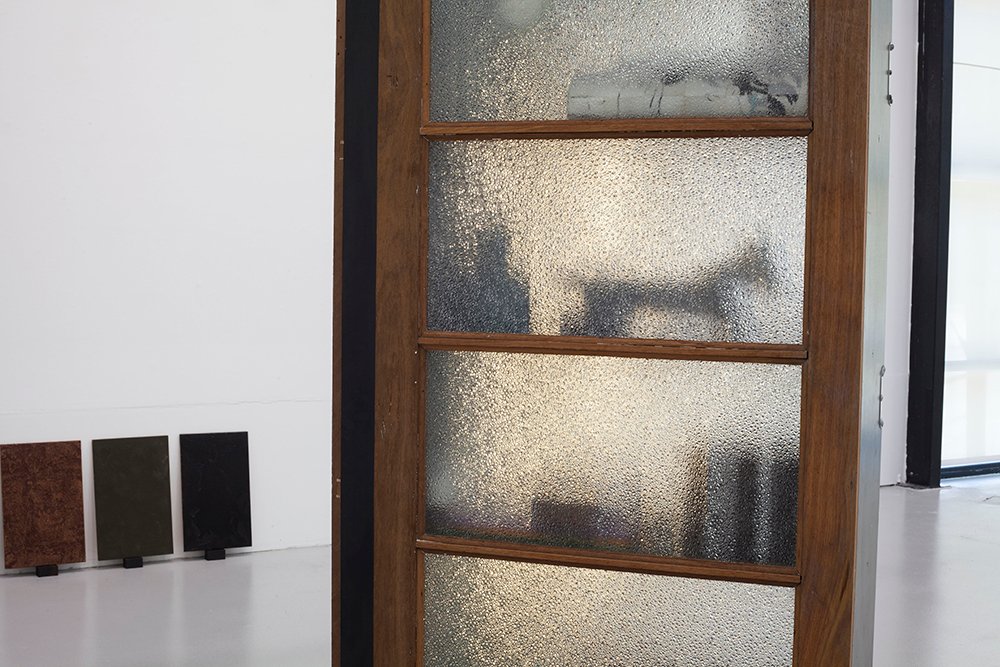
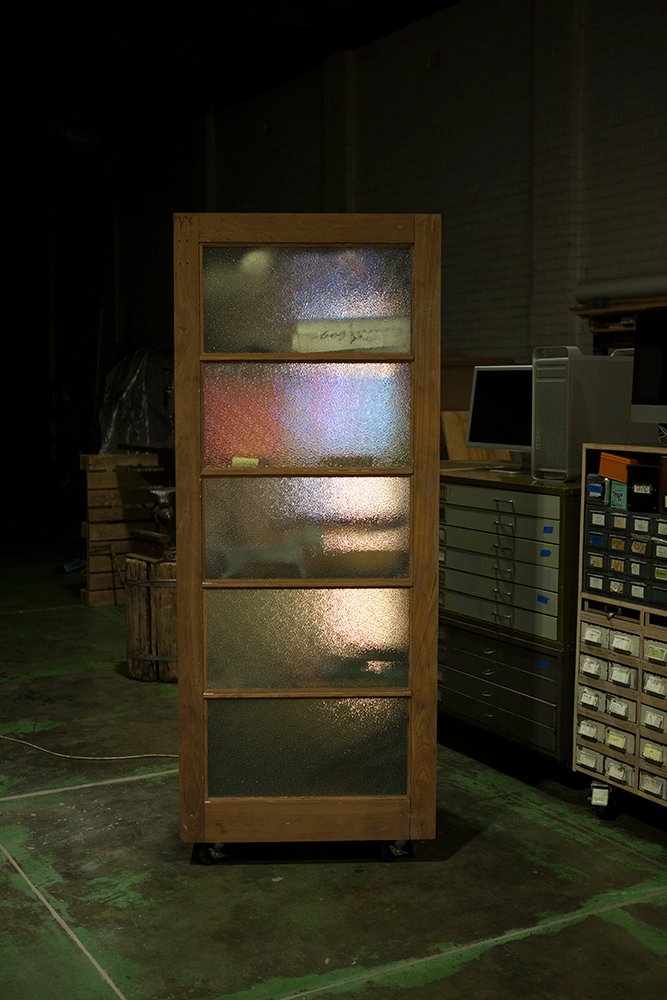


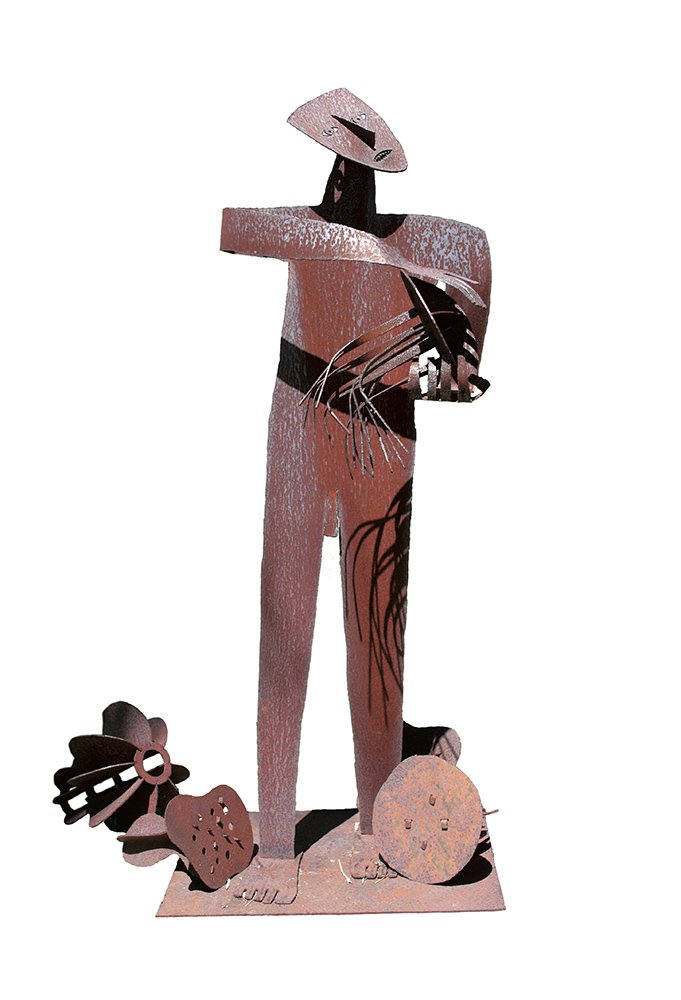
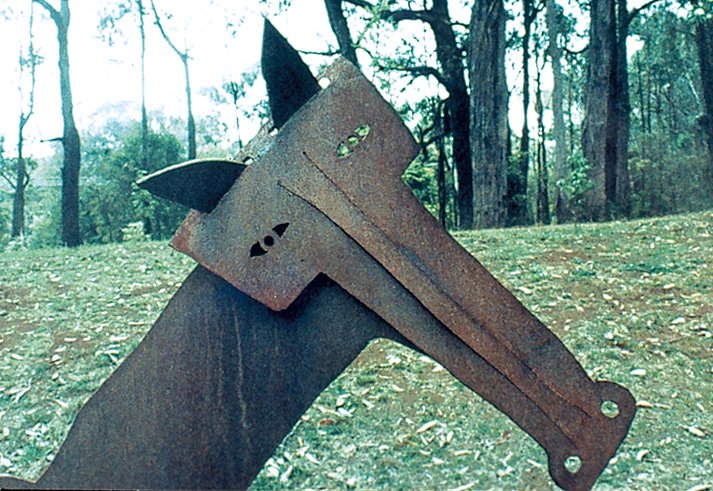
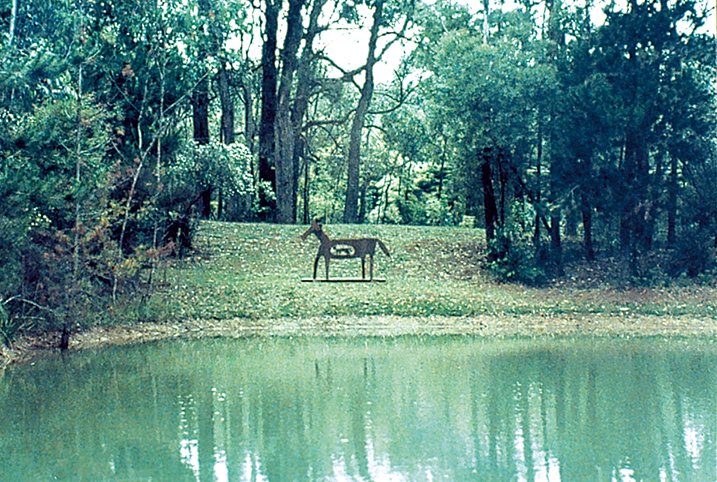
austen steel 1990
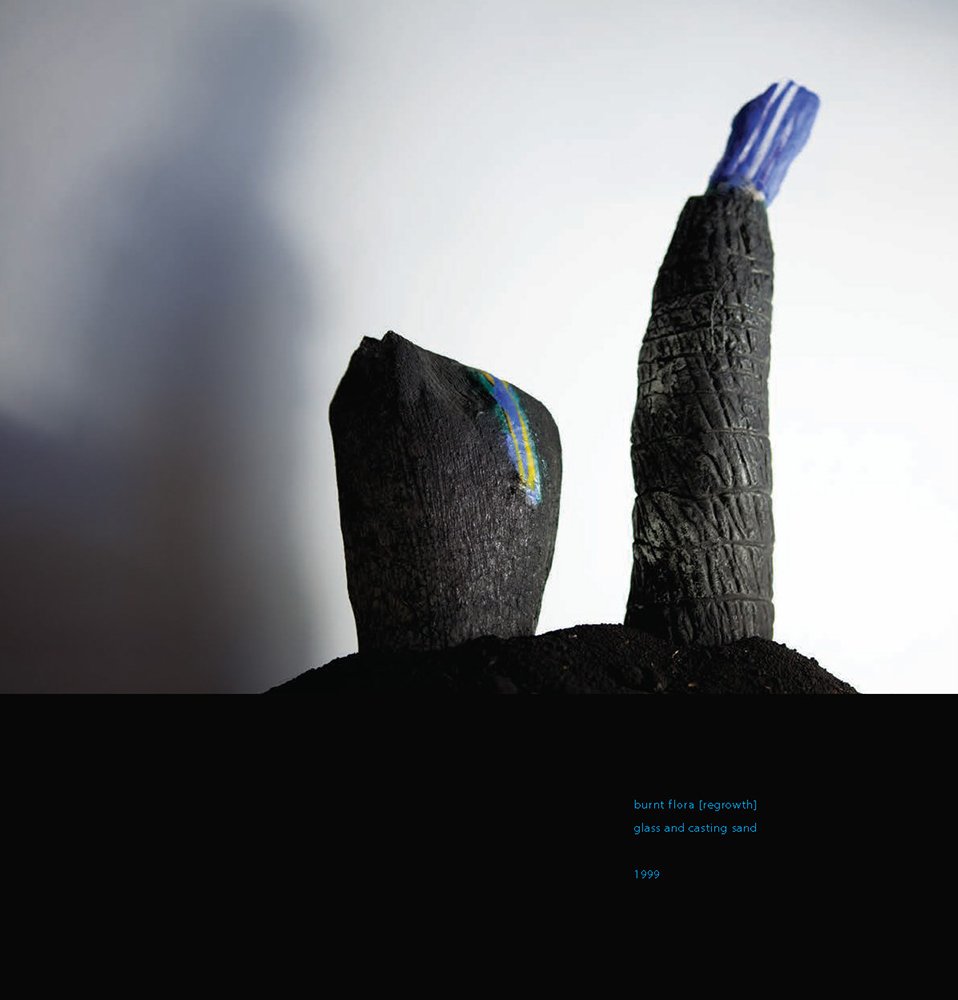


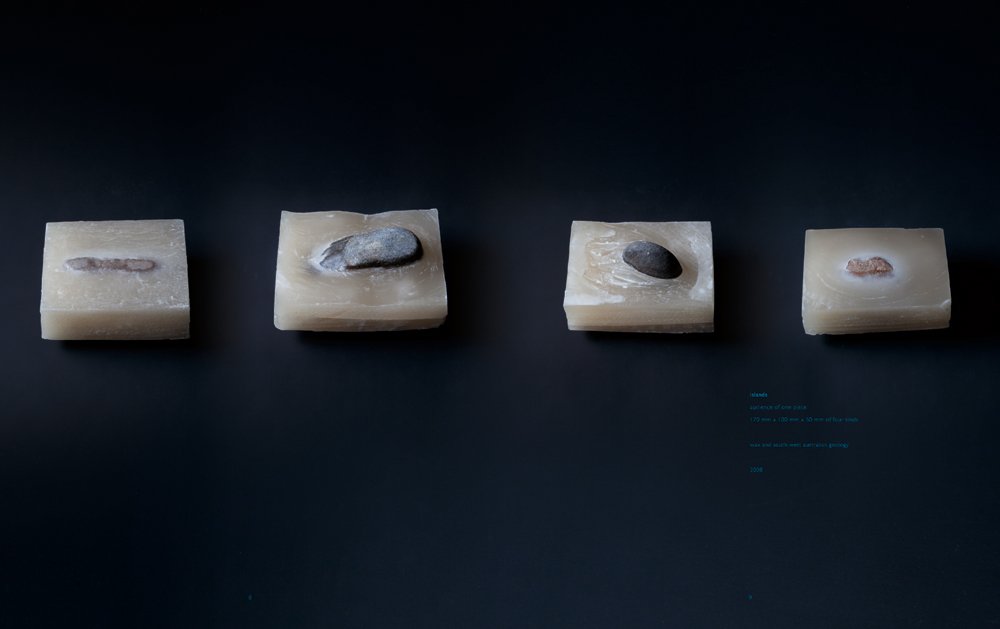
south western australian geology and wax 2008